
Quick answer
Use OPC 53 or PPC cement from reputed brands, Fe500D TMT steel, and washed M-sand or river sand tested for silt. Material quality decides the life of the building.
On this page
Key takeaways
- PPC for most works
- Fe500D steel
- Tested M-sand
- Store materials properly
01Choosing Between PPC and OPC Cement
Material selection has an outsized effect on a building's lifespan precisely because defects here are invisible at handover and only show up years later as cracking, corrosion, or reduced strength — by which point the fix is far more expensive than the material cost saved at purchase. For cement, PPC (Portland Pozzolana Cement) is the right default for most general RCC and masonry work in Pune's climate: it generates less heat of hydration than OPC (reducing shrinkage cracking risk) and has good long-term durability against sulphate and chloride attack. OPC 53 grade earns its place specifically where early high strength matters — precast elements, or situations with tight formwork-removal timelines — but for the bulk of residential and commercial RCC work, PPC from a reputed brand is both the more durable and more economical choice.
02Why Fe500D TMT Steel Is the Standard
For reinforcement, Fe500D TMT steel is the standard specification for a reason: the 'D' designation indicates higher ductility than plain Fe500, meaning the steel can deform further before failure — a critical property during an earthquake or any overload event, since ductile failure gives warning and redistributes load, while brittle failure doesn't. Buying TMT steel only from an established, BIS-certified brand matters because under-rolled or substandard TMT bars can fail to meet their stated yield strength despite looking visually identical to genuine bars.
03Testing Sand Quality and Proper Material Storage
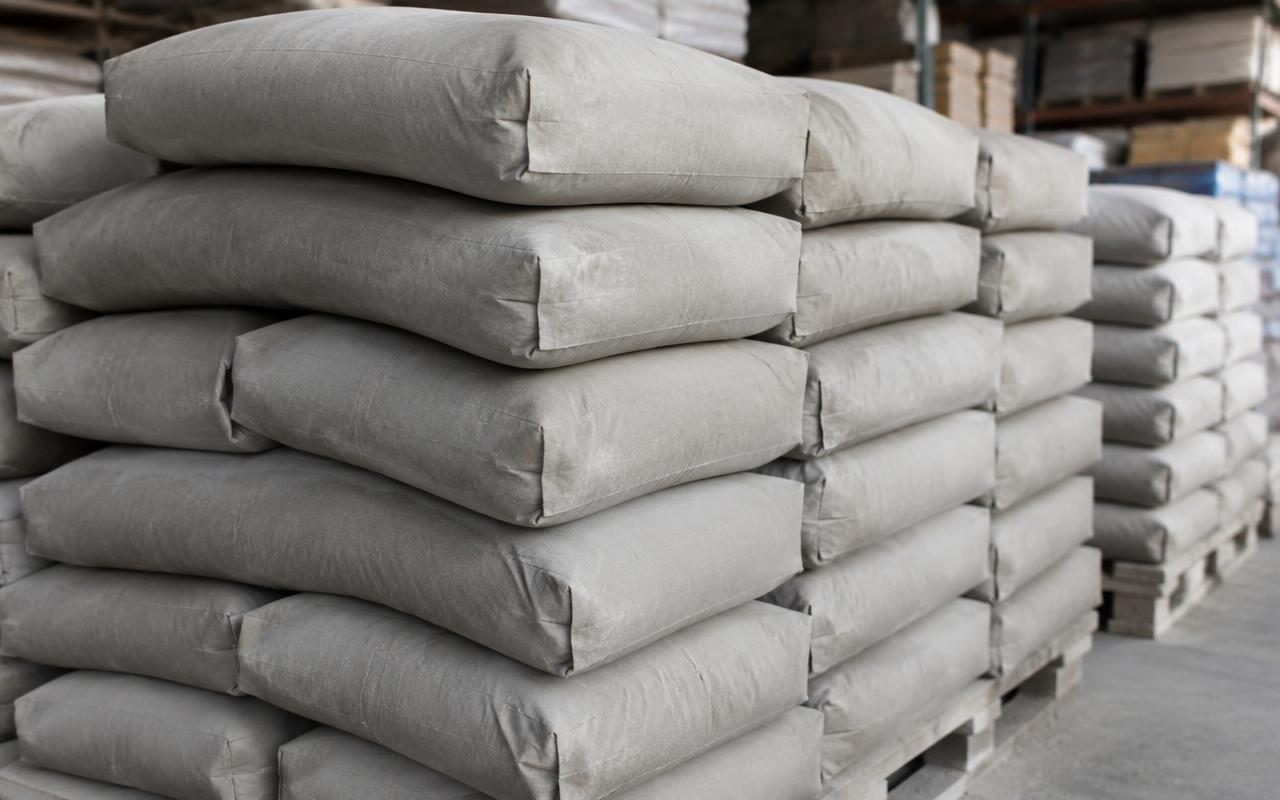
Sand is the most commonly compromised material on-site because river sand supply is tightly regulated in Maharashtra and inconsistent, pushing many sites toward M-sand (manufactured/crushed sand) as the practical alternative — but M-sand quality varies significantly between crushing plants, and both river sand and M-sand need to be tested for silt content (a simple field silt test, acceptable limit typically under 3–4% by volume) before use, since excess silt weakens concrete and mortar bond strength. Finally, how materials are stored on-site matters as much as their quality at purchase: cement bags stacked directly on the ground or exposed to even light moisture lose strength within weeks, and TMT bars left lying in standing water or mud develop surface corrosion before they're ever used — proper site storage is a free quality measure that's skipped more often than it should be.
04How this applies to your project
Every plot is different — soil, access, approvals and budget change the right answer. PuneConstructions's engineers review your site and drawings and explain the options with costs, so you can decide with confidence.
Get a free site visit in Pune, PCMC & nearby
PuneConstructions is a civil construction company and turnkey contractor serving Pune, PCMC & nearby and the wider Pune region since 2009. Share your plot or building details and a project engineer will visit, check feasibility and send a line-item BOQ within 7 working days — no obligation.
Frequently asked questions
Should I use OPC or PPC cement for my house construction?
PPC is the right default for most general RCC and masonry work, since it generates less heat of hydration, reducing shrinkage cracking risk, and has good long-term durability. OPC 53 grade is better reserved for precast elements or situations needing early high strength on a tight formwork-removal timeline.
What does the 'D' in Fe500D TMT steel mean?
The 'D' designation indicates higher ductility than plain Fe500 steel, meaning it can deform further before failure. This matters during an earthquake or overload event, since ductile failure gives warning and redistributes load, while brittle failure doesn't.
How do I check if sand is good quality for construction?
Both river sand and M-sand should be tested for silt content using a simple field silt test, with an acceptable limit typically under 3–4% by volume, since excess silt weakens concrete and mortar bond strength. M-sand quality also varies significantly between crushing plants, so consistency should be checked across deliveries.
Does PuneConstructions help with this?
Yes. We offer free site visits, feasibility advice and a line-item BOQ across Pune, PCMC, Panchgani, Mahabaleshwar, Bhor and nearby areas.
Where do you work?
Pune city and old peths, PCMC, Chakan–Talegaon, Lonavala, Mulshi, Bhor, Panchgani, Mahabaleshwar and surrounding towns.